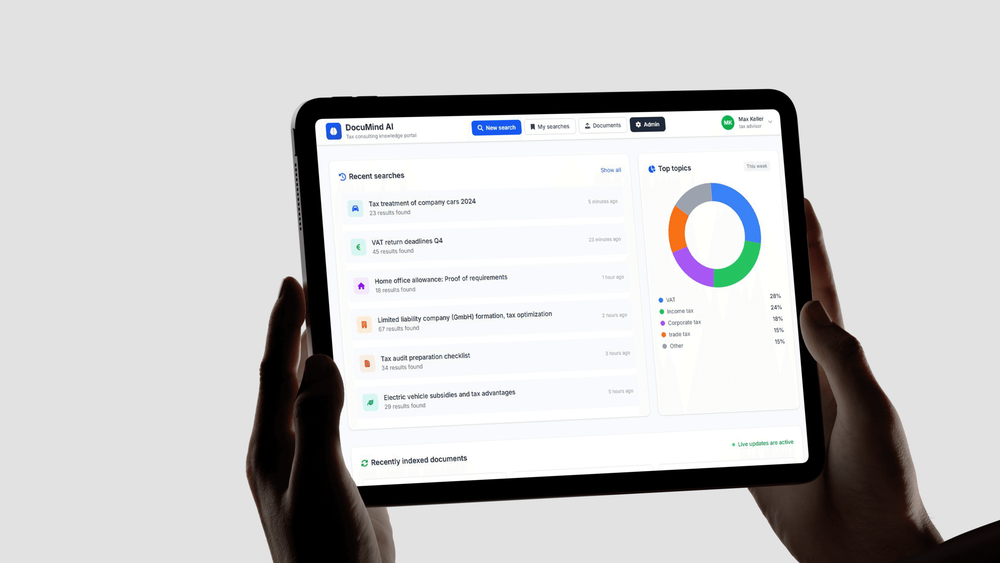
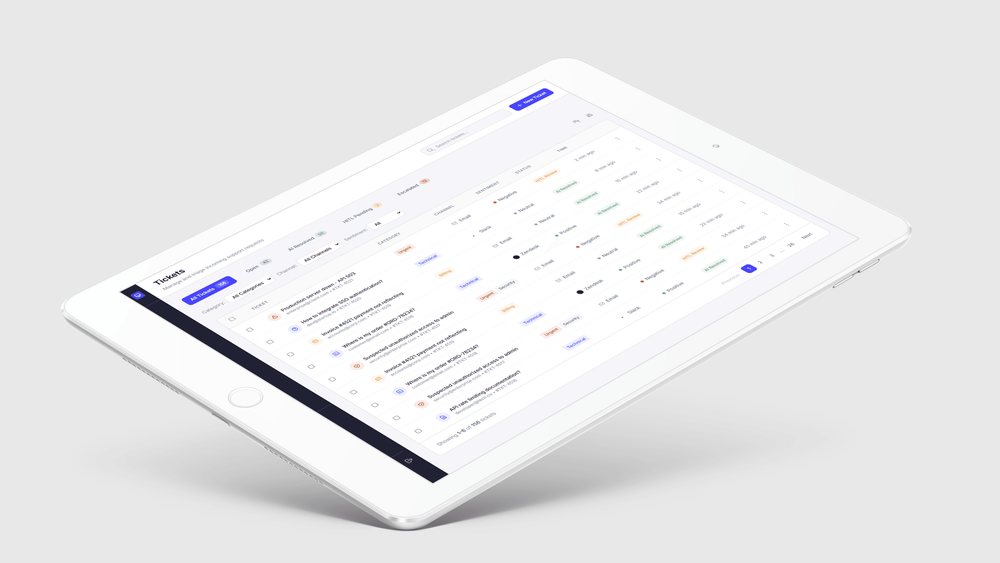
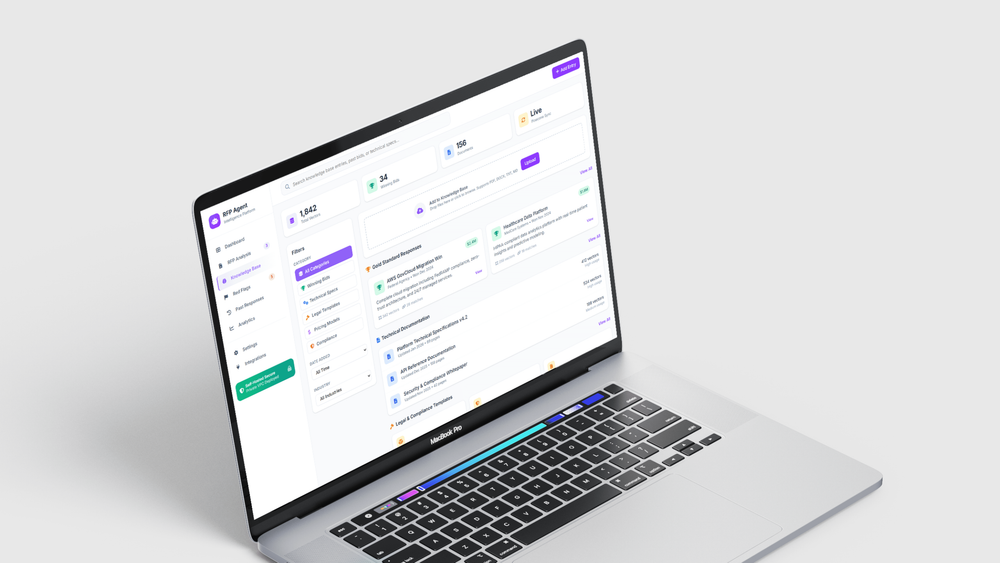
Many companies now run AI assistants and agents, but few check whether they stay accurate, safe and within budget. We monitor your AI systems every month, catch problems early and keep the technical records that auditors and regulators will ask for.
Discover how our solutions can transform your business
The outcomes this service brings to your business.
A proven methodology to deliver exceptional results
We list every AI system you run, the data it uses, who uses it and what it can change.
We set up test sets, logging and cost tracking, and measure where each system stands today.
We close permission gaps, add human review where it is needed and set cost limits.
We run evaluations, review logs and costs, and send you a monthly report.
We update prompts, tests and controls as models, regulations and your processes change.
An AI system can change its behavior without anyone touching your code. The model provider releases a new version, your documents change, or users start asking new kinds of questions. Answers drift, costs rise, and often nobody notices until a customer complains.
AI monitoring treats an AI system like any other production software. It has tests, logs, alerts, a budget and an owner.
Under the EU's Digital Omnibus, the AI Act's obligations for standalone high-risk AI systems, such as AI used in hiring, credit scoring or education, apply from 2 December 2027. High-risk AI built into regulated products, such as medical devices or machinery, follows on 2 August 2028. Some other parts of the AI Act already apply.
Building the records and controls takes time, so companies that use AI in these areas should start well before the deadlines. We handle the technical side: documentation of how each system works, logs, test results and human oversight. Whether a system counts as high-risk under the law is a question for your legal counsel.
As a Certified partner in the Claude Partner Network, we know how Claude-based systems behave in production: how to test them, what drives their cost and where to put controls. We monitor AI systems on other models too.
Test sets and quality scores that show when answers get worse.
Usage limits, budgets and monthly cost reports per system.
Logs, oversight records and technical documentation, kept up to date.

Audit logging, source citations, confidence scoring and human approval steps in AI systems running in production.
AI governance is the set of rules, controls and records that decide who may use an AI system, what it may do, how its quality is checked and who is responsible when it goes wrong. In practice it means an inventory of your AI systems, permission limits, logs, regular testing and a clear owner for each system.
Following the Digital Omnibus, which entered into force in July 2026, obligations for standalone high-risk AI systems apply from 2 December 2027. Obligations for high-risk AI embedded in regulated products apply from 2 August 2028.
It can apply if you develop or use AI systems in the EU, or if the output of your AI is used in the EU. Your obligations depend on how the AI is used. We help you list your AI systems and document them; your legal counsel confirms how the law applies to you.
Yes. We need access to the system's logs or API and a description of what it is meant to do. We then set up test sets, cost tracking and monitoring in the same way as for systems we build.
Monitoring is billed monthly, based on the number of AI systems and how often they are evaluated. You receive a quote after the initial AI system audit.
Start with an audit of the AI systems you already run: what they use, what they can change, and how well they perform.
Let's discuss how we can help transform your business with custom software solutions.